




Visual Rhythm in the Digital Casino
When you first open an online casino interface, the experience isn’t only about chance and numbers. It’s about rhythm and touch, though in a way that’s less literal than spinning reels. Visual rhythm carries the player through a sequence of emotions that can be surprisingly harmonious. The moment a slot starts to spin, the light animation blinks in sync with subtle visual cues, pulling focus just where it needs to be. I think that’s part of why even minimal design still feels far from empty, it whispers movement into the stillness. I remember once trying the Plinko Game Online and realizing how effectively visual transitions control the pace of excitement. Without words, they tell you when to breathe and when to hope.
There’s something almost cinematic about the way colors transition in well-designed casinos. Rather than static icons or rigid diagrams, everything flows gently. Buttons lift slightly, chips glide, and even the “collect” icons seem to pulse with life. The rhythm creates an emotional feedback loop that feels natural, even though it’s entirely engineered to keep you at ease. In lesser designs, these micro-moments are missing, and you can feel it immediately. Something feels heavy, as if the experience is one click away from breaking immersion. Good rhythm smooths it over, layer by layer.
Audio Touch: Hearing the Win Before You See It
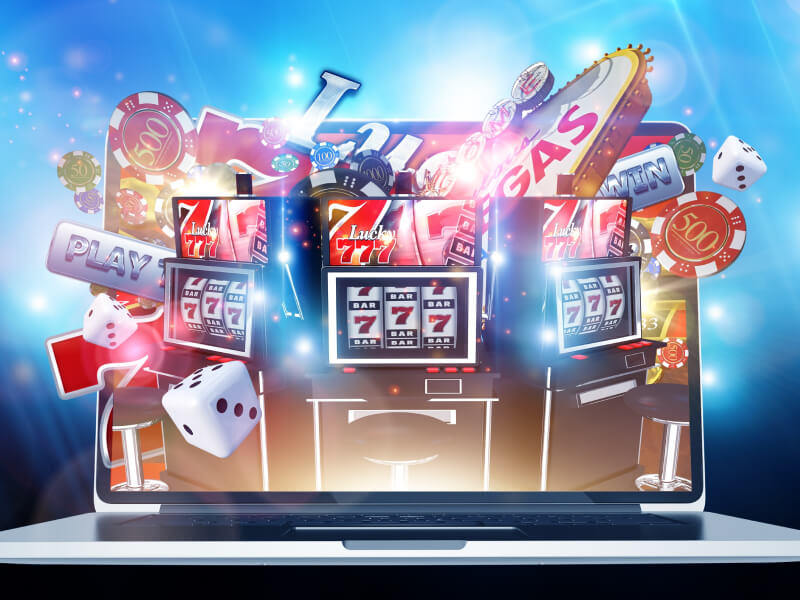
Sound inside an online casino often acts like a subtle form of touch. The chime of a win, the click of placing a bet, even the tiny hums that occur as reels stop spinning all form part of what could be called audio tactility. Not in the physical sense of touch, but emotionally, it feels nearly identical. A satisfying melody after a win can evoke a rush similar to skin tingling in anticipation. Designers know this well, perhaps sometimes too well. The balance between immersion and overstimulation is delicate, and many platforms experiment for years to get the soundscape right.
It’s easy to underestimate how layered these cues are. A payout notification might have three levels of tone that signal magnitude: one for small wins, one for mid-tiers, and one powerful chord saved only for jackpots. Some developers refer to this as “progressive resonance,” though most players will just describe it as “a good feeling.” What fascinates me is that even muted, these games retain rhythm through visual pattern alone, yet when paired with sound, everything clicks into place as though invisible fingers were guiding the expectation of joy. If you’ve ever muted your game only to turn the sound back on because something felt missing, you’ve already experienced that quiet form of dependency on sonic textures.
Interface Flow and Hidden Psychology
Micro-movements in the UI
Every pixel in a casino dashboard carries more psychology than most players realize. That subtle shadow under a “spin” button, the slightly slower animation before the reels stop, each one directs emotional flow. I once read an analysis comparing slot game motion sequences to film editing rhythm, where designers intentionally delay or speed up certain animations to build anticipation. The longer the pause, within reason, the greater the release when it resolves. People often say they play for fun, but they also play for the sense of control amid randomness, and well-designed UI suggests that control without saying it.
Rhythmic Loops and Pacing
Besides, rhythm controls pacing, and pacing defines satisfaction. When a game moves too quickly, winnings lose their emotional echo. When it’s too slow, frustration creeps in. The best casino interfaces find that faintly invisible timing sweet spot, encouraging focus without making the user restless. This isn’t illusionary; it’s studied UX craft backed by data from thousands of play sessions. That’s where the real magic happens, quietly hidden inside milliseconds of delay and steady pulses of color transitions.
Player Experience Through Senses
Expectation and Surprise
A good casino doesn’t just entertain, it listens, reacts, and transforms how you perceive randomness. The rhythm between wins and losses, spins and stops, isn’t entirely accidental. Designers mimic nature’s own unpredictability, weaving expectation and surprise like small chapters in a longer story. Perhaps that’s why even simple games can feel so engaging for hours, because they never lose that poetic uncertainty. The back-and-forth between visuals and audio builds something akin to emotional breathing, and it keeps the experience human.
Payments and UX Flow
Even the payment process reflects this visual-audio interplay. Sound feedback for successful deposits or withdrawals adds reassurance. Visual sequences, such as gradually filling progress bars, give the sense that the system is alive and functioning smoothly. When combined with secure yet fluid interface motion, a player feels more confident—almost like the site itself is communicating honesty. I think some of the most reliable platforms achieve this because of simple sensory consistency. When tones, colors, and timing align, trust follows naturally.
Design and Emotion
When you think about it, the divide between rational UX and emotional design is thinner in online gambling than in nearly any other industry. Aesthetics are directly tied to money, reward, and habit, so decisions carry psychological weight. That’s not sinister by default; it’s a recognition that feelings guide action. Players aren’t numbers—they’re people chasing different balances between risk and comfort. Maybe some come for that heartbeat skip when the reel slows, others for the gentle affirmation of transparent bonuses appearing with soft tones. Either way, design can enhance genuine delight rather than manipulate it.
When Emotion Feels Real
There’s a fascinating crossroads between authenticity and artifice. When a site tries too hard to “wow,” it crosses into noise. But when animations follow a modest rhythm, and tones fade gracefully, the experience feels believable. It resembles real-world behavior: waves, breath, flickers of light through glass. In that sense, a perfectly tuned online casino mimics organic rhythm, aligning machine and emotion. Some say that’s the ultimate benchmark for immersive design, the moment the tech bracket vanishes and you’re just, well, there.
Final Notes on Delight
I won’t pretend that every casino gets it right. Some overload the user with color, spin, and artificial hype until everything blurs into fatigue. Others barely move, reducing the thrill to flat transitions and dull tones. But in that narrow space between the two extremes, something beautiful happens. Smooth rhythm merges with tactile sound, trust with anticipation, and players find what might honestly be called delight. Not the superficial smile of luck, but the deeper satisfaction that the system understands them on a sensory level. You could say it’s where design, psychology, and play finally sync their beat.